MEP BIM Insights
Expert articles on MEP coordination, clash detection, LOD delivery, and construction technology.
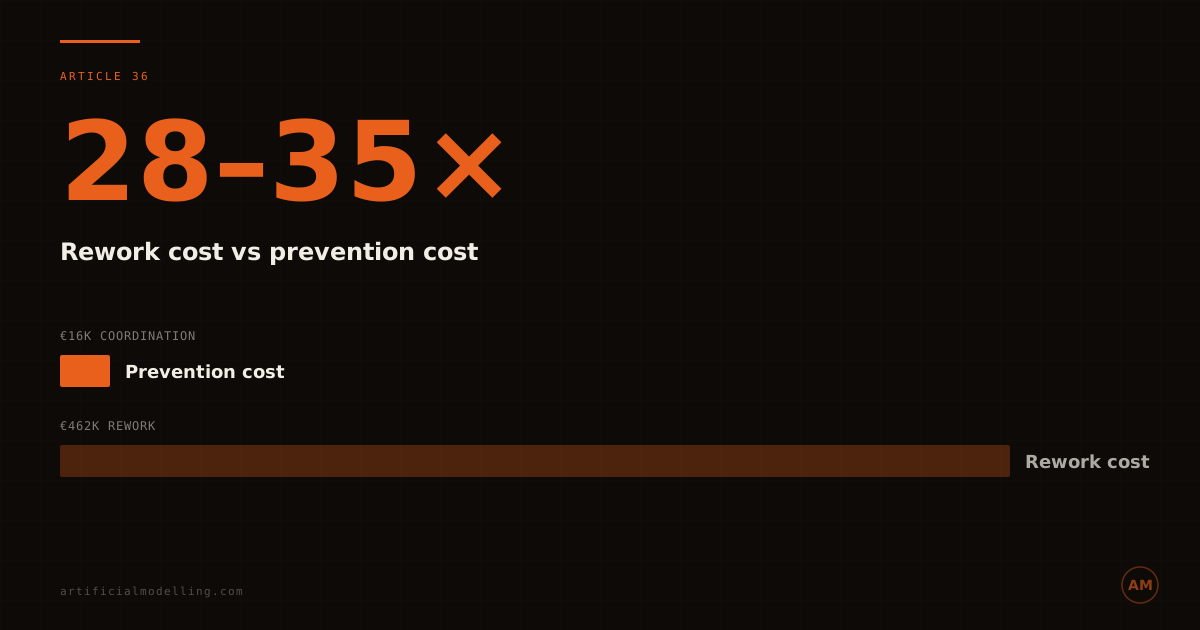
What Happens When You Don't Coordinate: 5 Real Cost Scenarios
These five scenarios are anonymised composites drawn from industry experience. No client names, project numbers, or identifiable details are included. Each scenario represents a pattern that repeats across the construction industry — the same mistakes, the same cost consequences, the same preventability through BIM coordination.
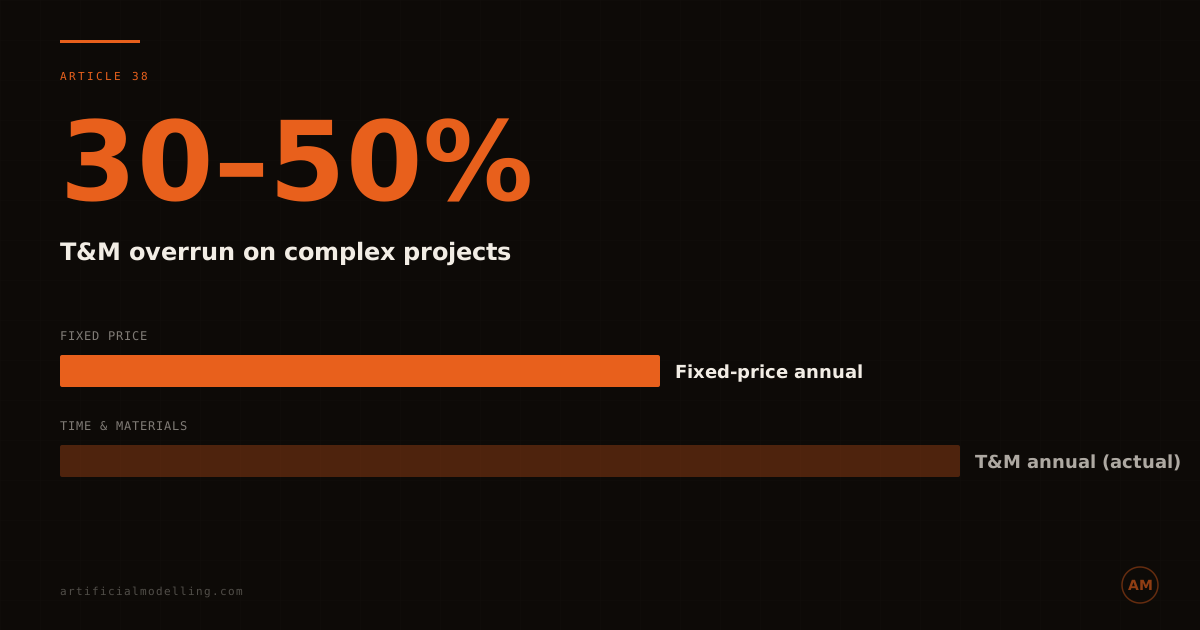
Fixed-Price vs Time & Materials: Which Costs Less Over 12 Months?
The choice between fixed-price and time & materials (T&M) BIM coordination is not just a procurement preference. It is a financial decision that compounds across every project. Over a 12-month period with multiple projects, the total cost difference between the two models becomes substantial — consistently favouring fixed-price.
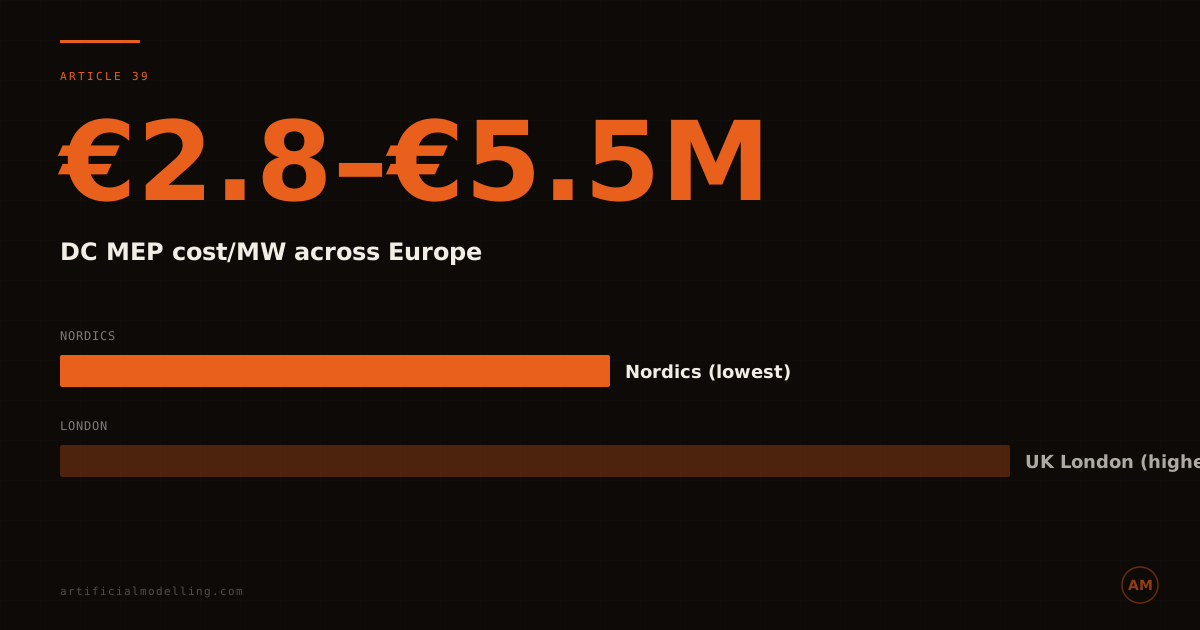
How Data Centre MEP Costs Compare Across Europe: Ireland, UK, Netherlands, Nordics
Europe's data centre construction market is growing at over 34% year-on-year, with hyperscale and colocation facilities under construction across Ireland, the UK, the Netherlands, Germany, and the Nordic countries. MEP systems — power distribution, cooling, fire suppression, and monitoring — represent 40–60% of total data centre construction cost, making MEP coordination the highest-value engineering activity on these projects.
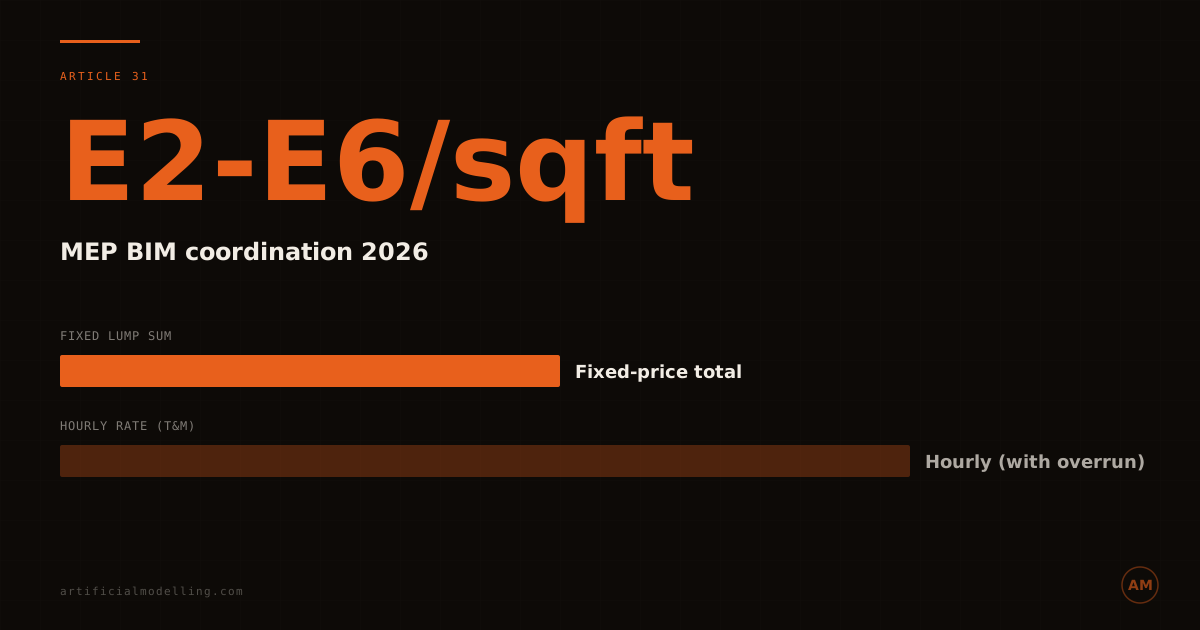
How Much Does MEP BIM Coordination Actually Cost? A 2026 Pricing Guide
MEP BIM coordination pricing is opaque. Most firms do not publish their rates. Most clients do not know whether they are overpaying or underpaying. And the range of pricing models — per square metre, percentage of construction value, hourly rate, fixed lump sum — makes comparison between providers nearly impossible without a standardised framework.
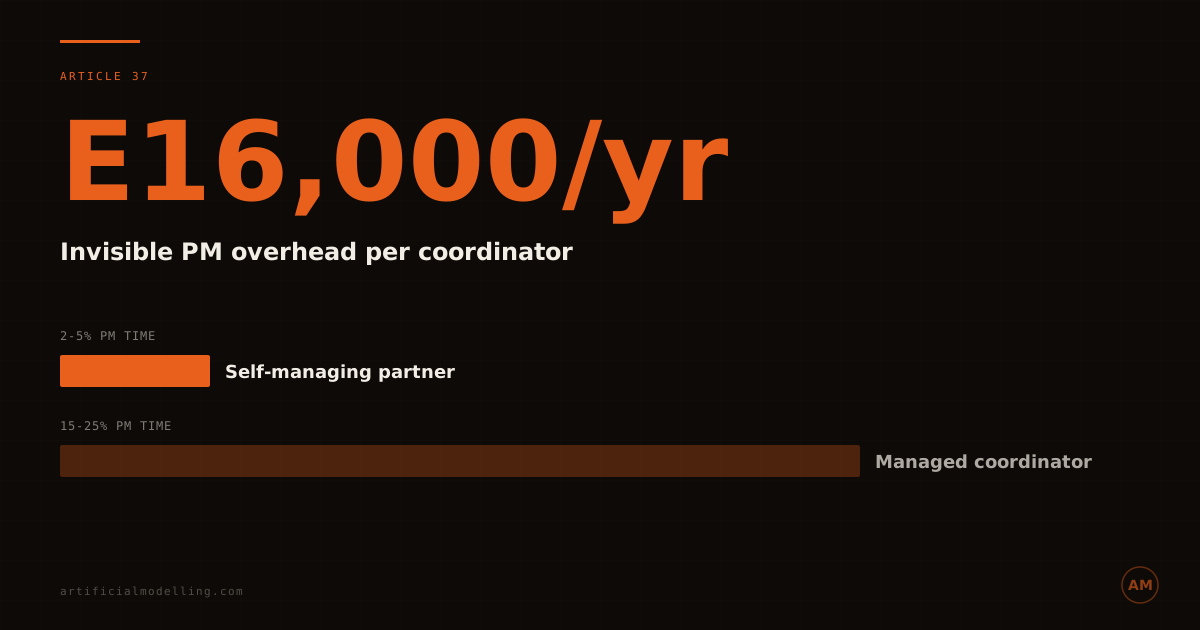
The Management Overhead Nobody Talks About: The Hidden Cost of Your BIM Coordinator
When a construction company hires a BIM coordinator — whether in-house or as a subcontractor — the visible cost is the fee or salary. What nobody calculates is the cost of managing that person.
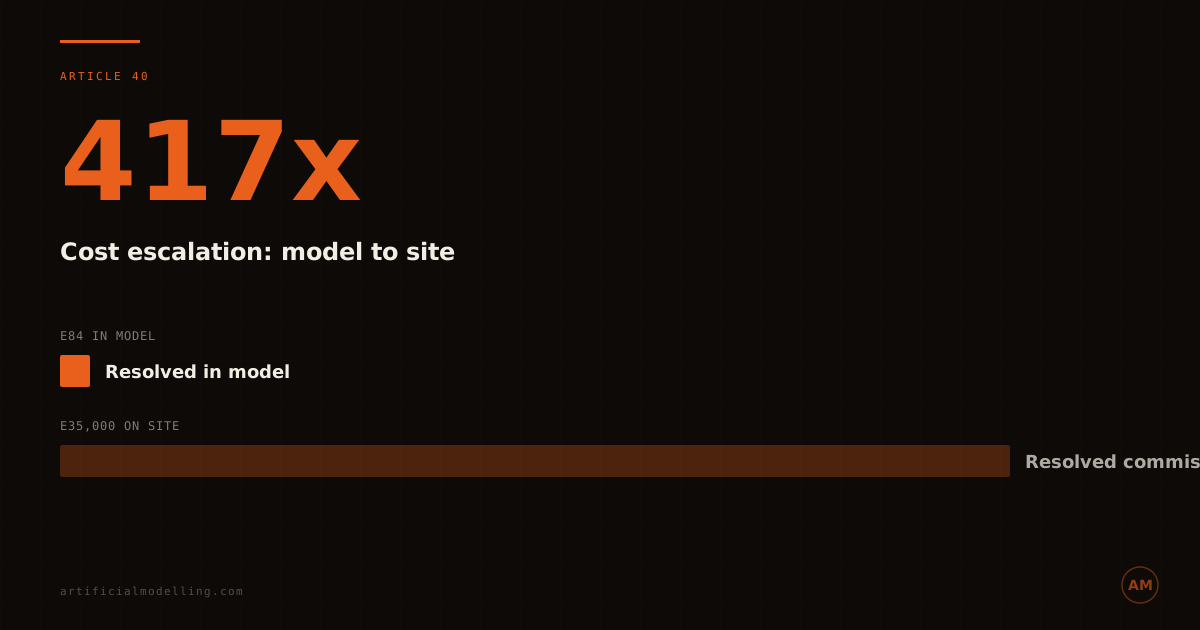
The Cost of One Clash: From Model to Site to Fix
This is the story of one clash. One spatial conflict between two building services — a supply air duct and a chilled water pipe — in the ceiling void of a commercial building. The clash is identical in every scenario. The difference is when it is discovered and what it costs to resolve.
Why Outsourcing BIM Coordination to Poland Makes Business Sense
Outsourcing BIM coordination to Poland offers 40–50% cost savings with a 1-hour timezone difference, EU regulatory alignment, and access to 60,000 engineering graduates per year.
Revit vs Navisworks for MEP Clash Detection — When to Use Which
Revit and Navisworks serve complementary roles in MEP clash detection. The practical answer for most projects is to use both — here's when to use each.
How We Delivered 337 Drawings with 85% First-Pass Approval
On a 32-storey office block in the UK, we produced 337 construction-issue MEP drawings with an 85% first-pass approval rate. Here's the process behind the numbers.
Why Site-Based Experience Matters in BIM Coordination
Site-based experience is the single most important — and most overlooked — quality factor in BIM coordination. A model can be clash-free and still be unbuildable.
LOD 500 Delivery — What It Means and Why It Matters
LOD 500 is the highest level in the BIM Level of Development framework, representing the verified as-built condition where every model element matches the actual installed position.
The Real Cost of Poor MEP Coordination on Healthcare Projects
Healthcare MEP coordination is a specialised discipline where the cost of coordination failures is 5–15x higher than on commercial projects due to regulatory, compliance, and infection control consequences.