MEP BIM Insights
Expert articles on MEP coordination, clash detection, LOD delivery, and construction technology.
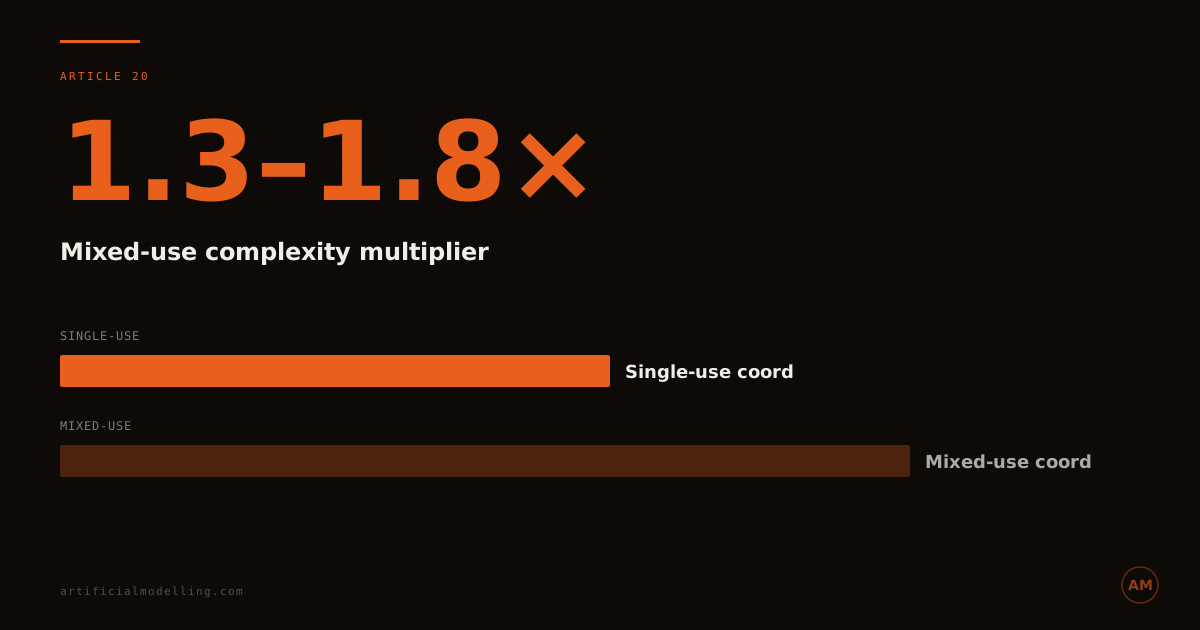
MEP Coordination for Mixed-Use Developments: The Complexity Cost Multiplier
A mixed-use development — combining residential, commercial, retail, and sometimes hotel or healthcare functions within a single building — presents MEP coordination challenges that are fundamentally different from single-use buildings. The coordination complexity is not additive. It is multiplicative. A building with three distinct use types is not three times as complex as a single-use building.
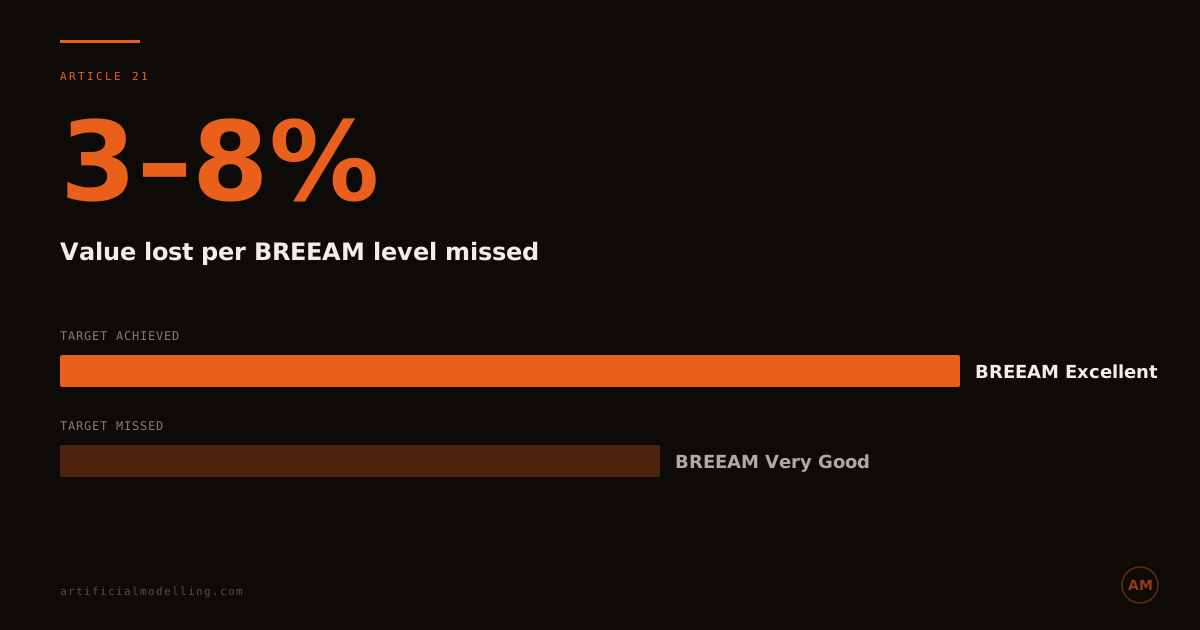
Sustainability and MEP Coordination: The Cost of Missing Your BREEAM or LEED Target
Sustainability certification — BREEAM in the UK and Ireland, LEED in international markets — has transitioned from a voluntary aspiration to a commercial requirement on most institutional-grade construction projects. Investors, tenants, and planning authorities increasingly require specific certification levels, and achieving those levels depends directly on MEP system performance.
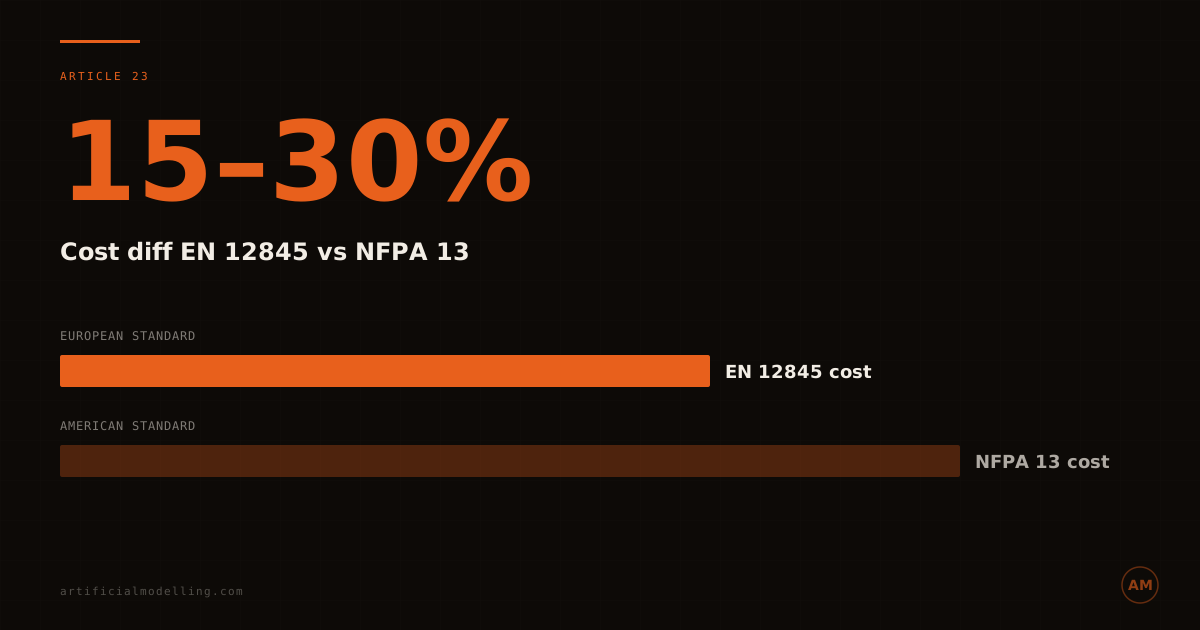
Fire Protection Design: EN 12845 vs NFPA 13 — The Cost Difference on the Same Building
Fire protection design for a single building can be executed to different standards depending on jurisdiction, client preference, and insurer requirements. The two dominant standards in Europe are EN 12845 (the European standard, widely adopted in the UK, Ireland, and continental Europe) and NFPA 13 (the American standard, commonly specified on projects with US-based clients, international insurers, or multinational occupiers).
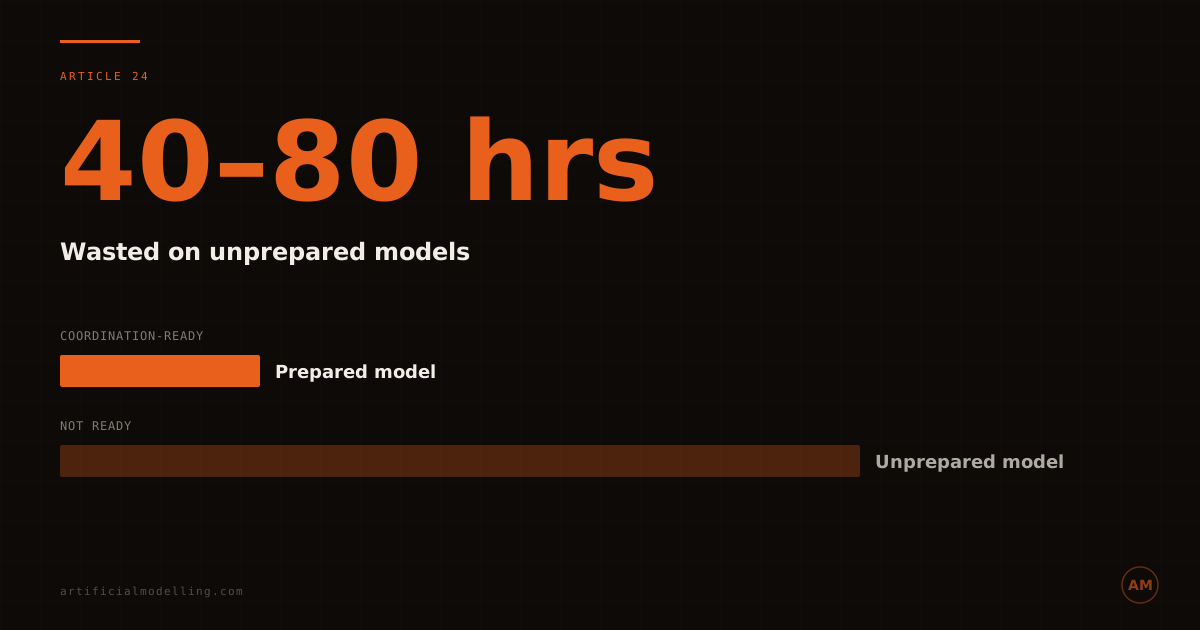
Preparing Your Revit Model for Coordination: The Cost of Unprepared Models
The quality of a Revit model submission directly determines the cost and duration of the BIM coordination process. A well-prepared model — correctly classified, accurately sized, properly positioned, and submitted at the right revision — moves through coordination with minimal friction. An unprepared model consumes coordinator hours on cleanup work that adds cost without adding value.
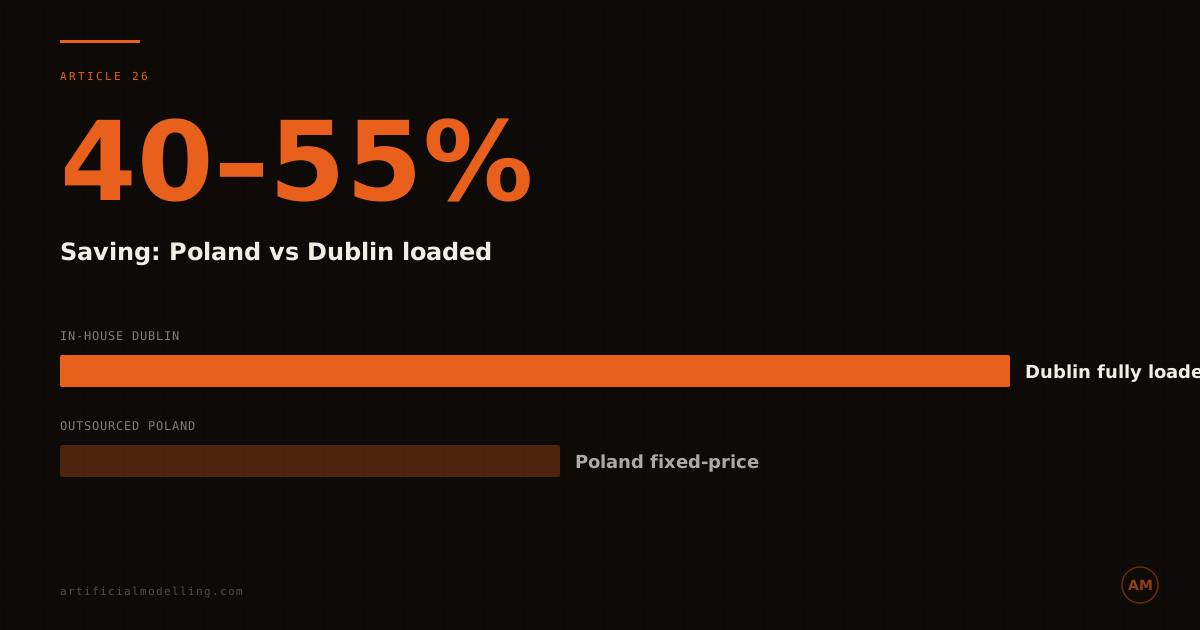
Cross-Border BIM Coordination: Ireland In-House vs Poland Outsourced — The Full Cost Comparison
Cross-border BIM coordination — engaging a coordination team in a different country from the construction project — has become standard practice in European construction. Ireland, the UK, the Netherlands, and the Nordics routinely engage BIM coordination services from Poland, Romania, and other Central European countries where engineering talent is abundant and employment costs are lower.
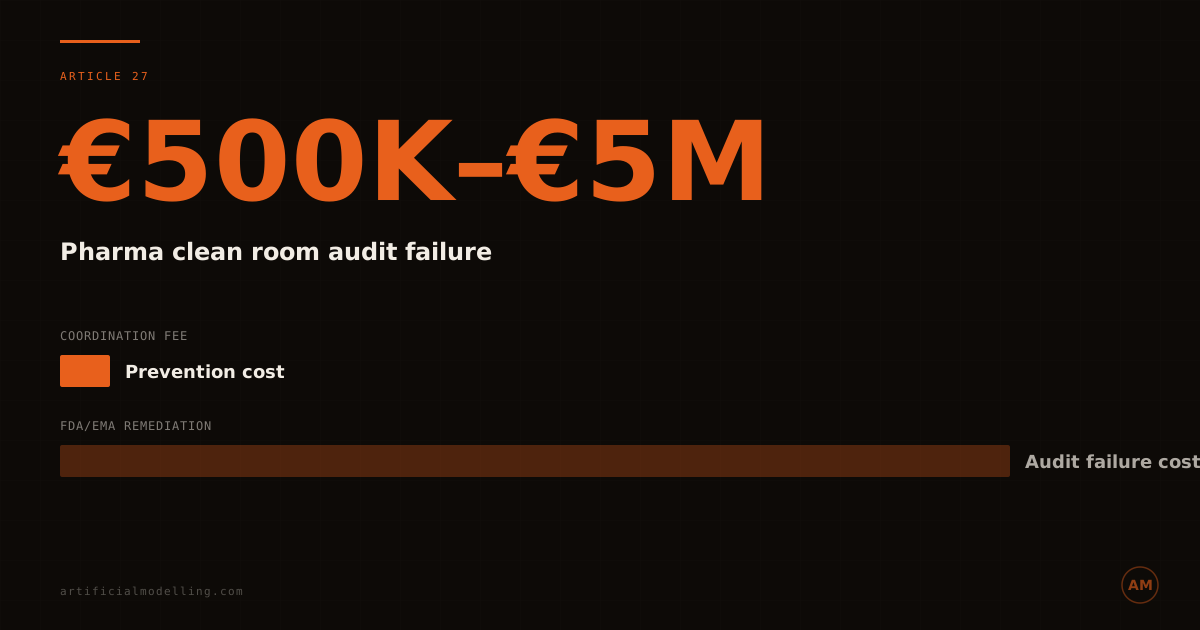
BIM Coordination for Pharmaceutical Clean Rooms: The Cost of Compliance Failure
Pharmaceutical clean rooms operate under the most stringent MEP coordination requirements in construction. The HVAC system is not a comfort service — it is a production-critical system that maintains the classified environment required for drug manufacturing. A coordination failure that compromises air pressure cascades, HEPA filtration integrity, or temperature/humidity control does not just cause discomfort.
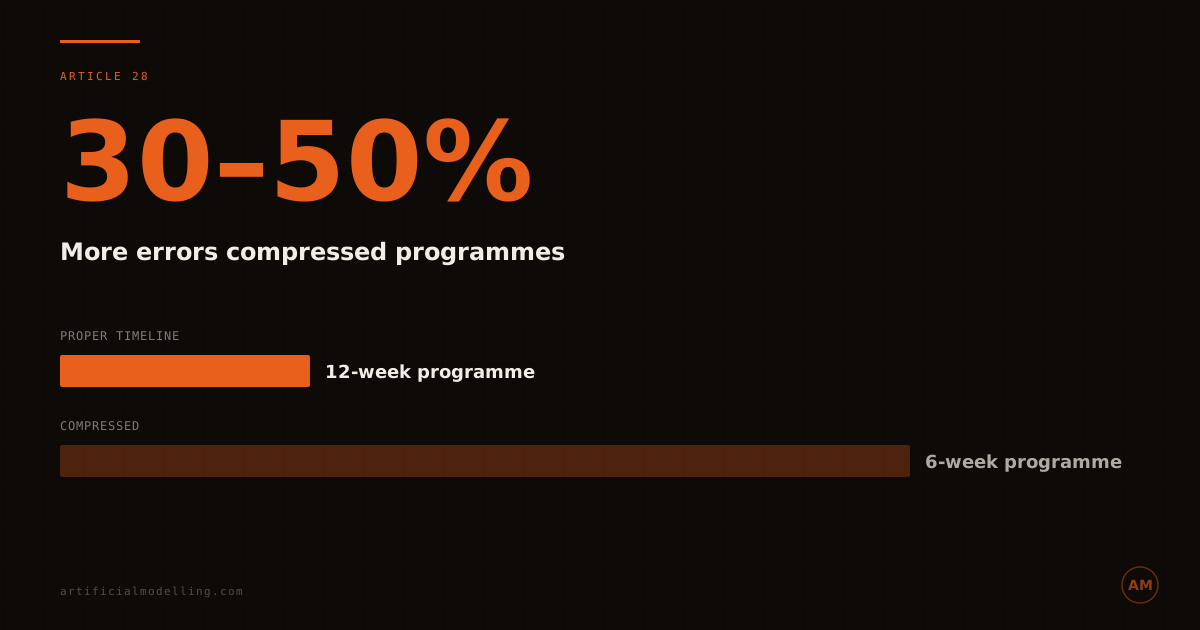
The Real Timeline of BIM Coordination: What Compressed Programmes Cost
BIM coordination takes as long as it takes. This is not a platitude — it is a statement of engineering reality. The coordination programme is driven by the number of discipline models, the number of coordination zones, the complexity of the MEP systems, and the responsiveness of the design teams. Compressing the programme beyond its natural duration does not speed up the project.
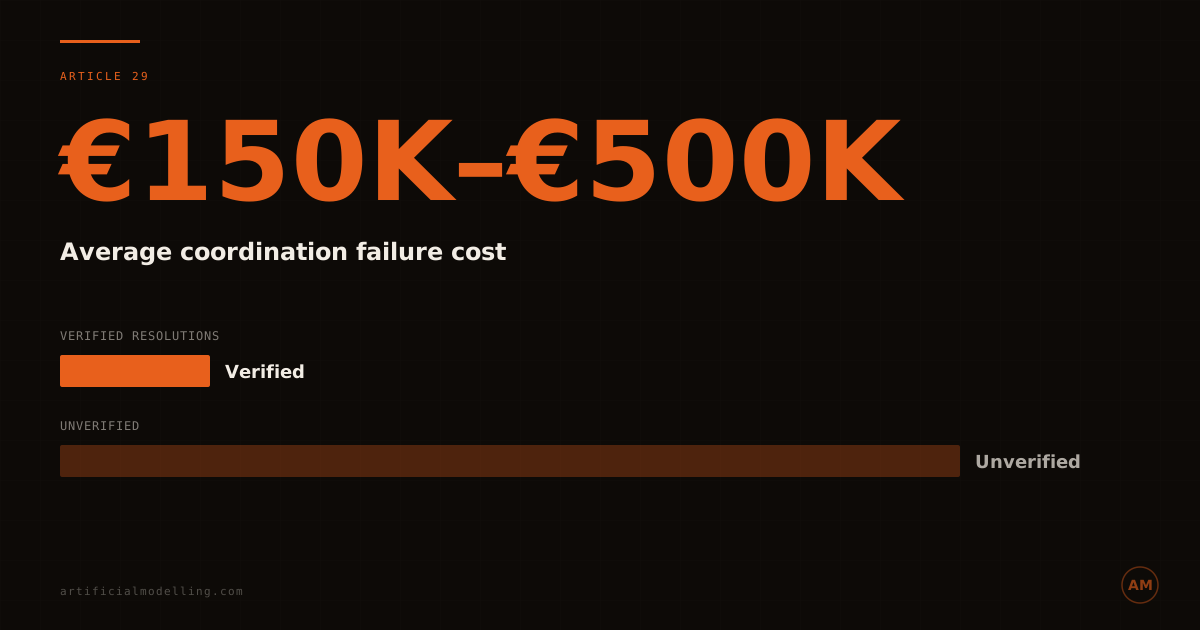
When BIM Coordination Fails: A Post-Mortem Cost Analysis
BIM coordination failures do not announce themselves during the coordination process. They announce themselves on site — when the installing trade discovers that the coordinated model does not match reality, when the ductwork does not fit in the allocated space, or when the cable tray clashes with the pipework that was supposed to be resolved three months ago.
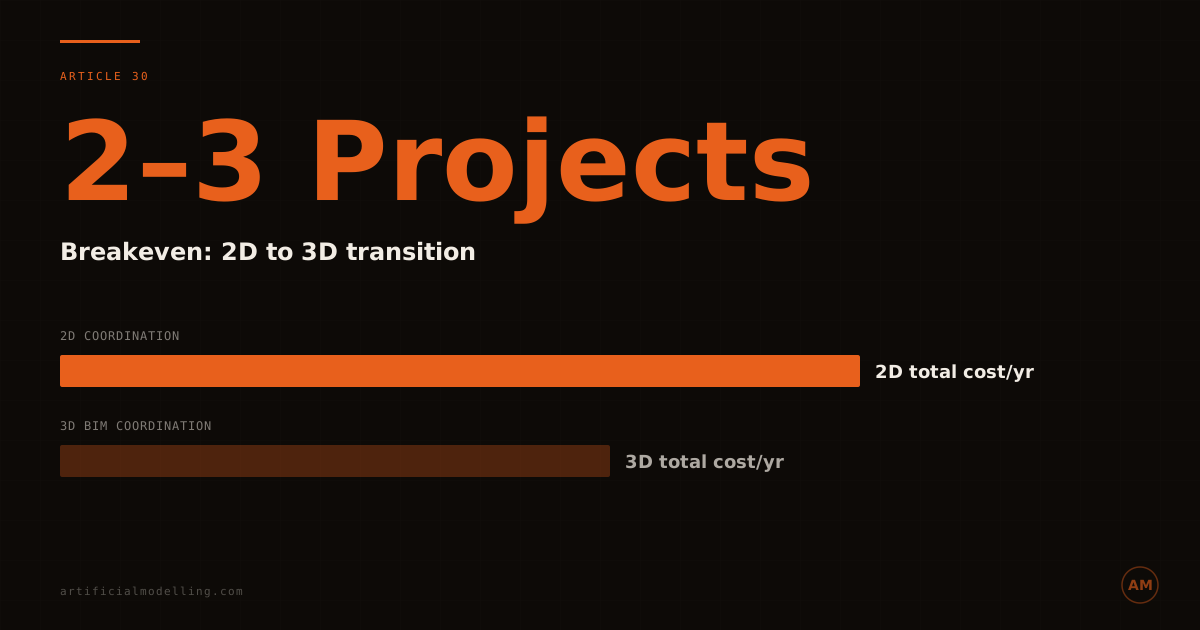
2D to 3D Coordination: The Cost-Benefit Analysis and Breakeven Point
The transition from 2D overlay coordination to 3D BIM coordination is an investment decision with a calculable breakeven point. Organisations that coordinate MEP services by overlaying 2D drawings from different disciplines — checking for conflicts visually on plotted sheets or in 2D CAD — achieve a functional level of coordination.
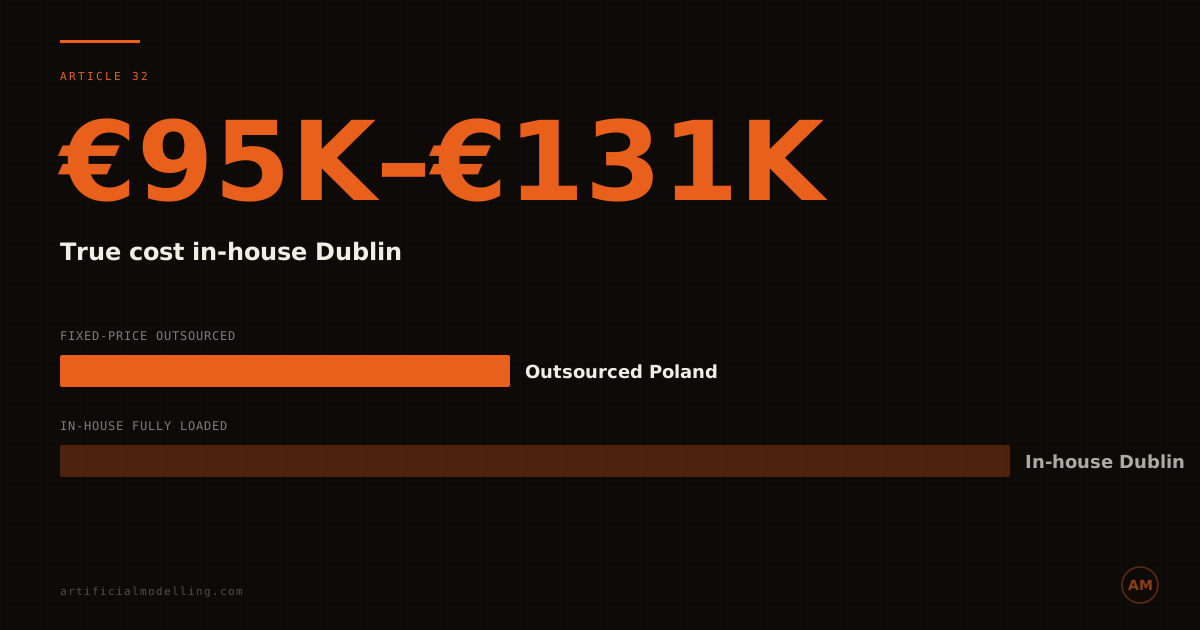
The True Cost of an In-House BIM Team vs Outsourcing: A Full Breakdown
The decision between building an in-house BIM coordination capability and outsourcing to a specialist partner is fundamentally a financial decision. The technical output is comparable — both models can produce clash-free, coordinated MEP models. The difference is in the total cost of achieving that output, and the cost is significantly higher for the in-house model than most organisations realise.
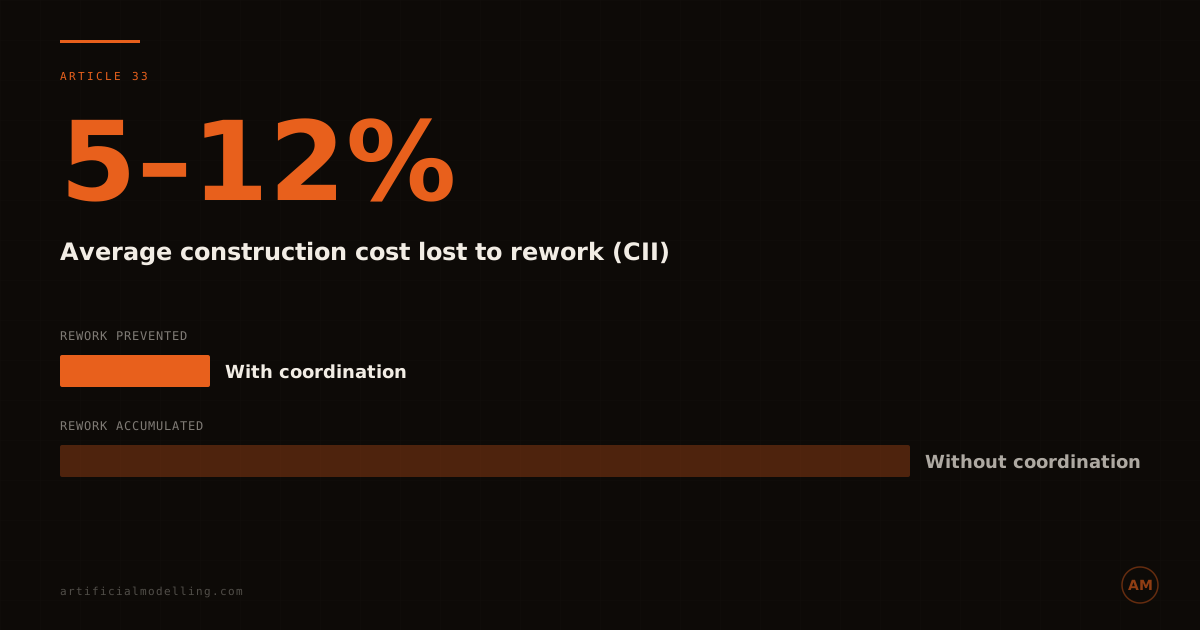
MEP Rework Costs: How Much Are You Really Losing?
Construction rework — demolishing and rebuilding work that was installed incorrectly — is the largest avoidable cost on most MEP-intensive construction projects. Industry data places rework at 2–20% of total project cost, with the Construction Industry Institute (CII) reporting an average of 12% and most studies clustering between 5–12% (CII; PlanRadar 2025 meta-analysis; Navigant Construction Forum).
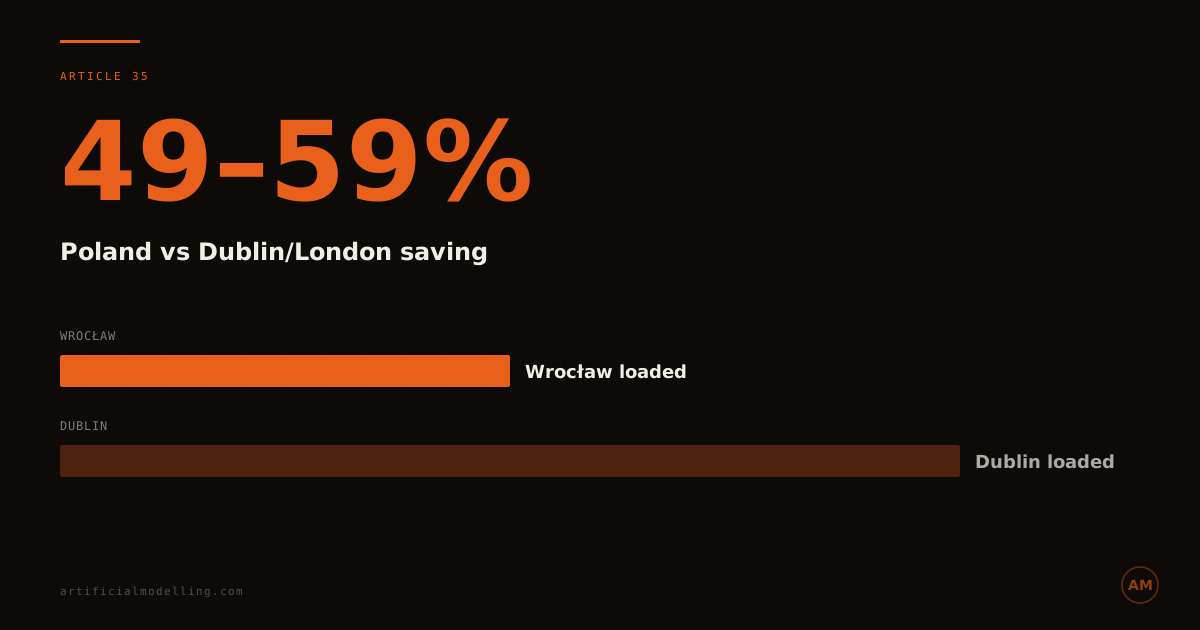
Ireland vs UK vs Poland: BIM Coordinator Cost Comparison 2026
The cost of BIM coordination talent varies significantly across European markets. For construction companies operating in Ireland and the UK, this variation creates a strategic opportunity: accessing equivalent technical capability at substantially lower cost by engaging coordination teams in lower-cost European markets.