MEP BIM Insights
Expert articles on MEP coordination, clash detection, LOD delivery, and construction technology.
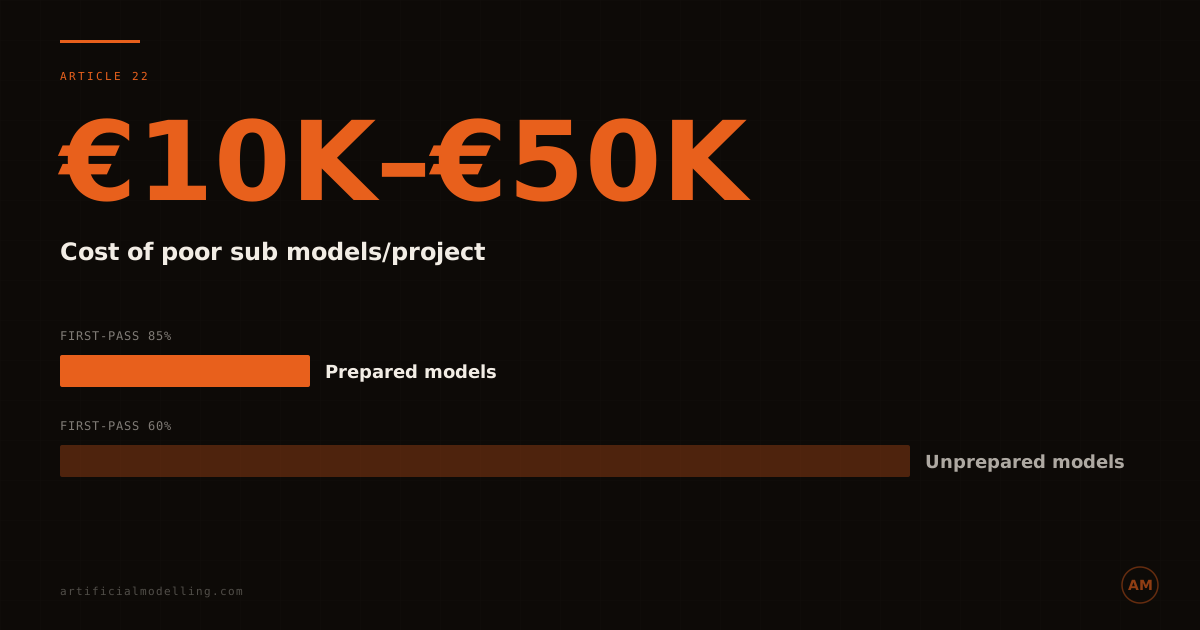
The Subcontractor's Guide to BIM Coordination: What Poor Models Cost You
This article is written for MEP subcontractors — mechanical, electrical, plumbing, and fire protection contractors — who submit BIM models for coordination on construction projects. The coordination process depends on the quality of your model submissions. When your models are incomplete, inaccurate, or submitted late, the cost is not absorbed by the coordination team.
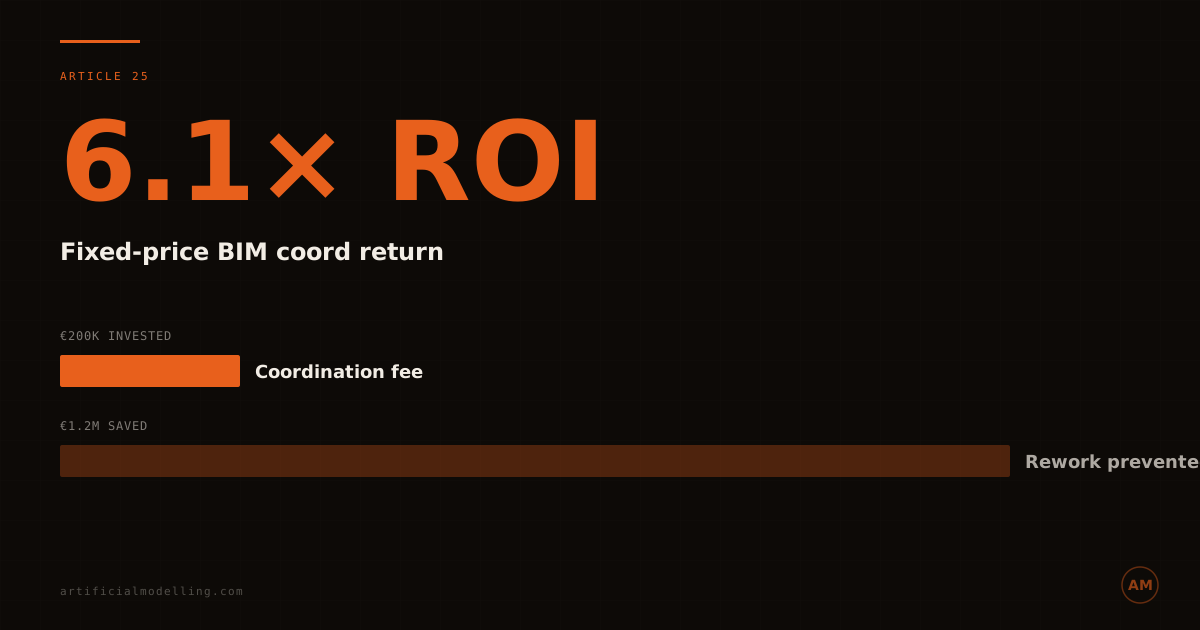
The Business Case for Fixed-Price BIM Coordination: A Full ROI Framework
The return on investment for fixed-price BIM coordination is not a theoretical projection. It is a calculable comparison between three cost categories: the coordination fee, the rework it prevents, and the management overhead it eliminates. On every metric, the coordination investment returns a positive multiple of its cost.
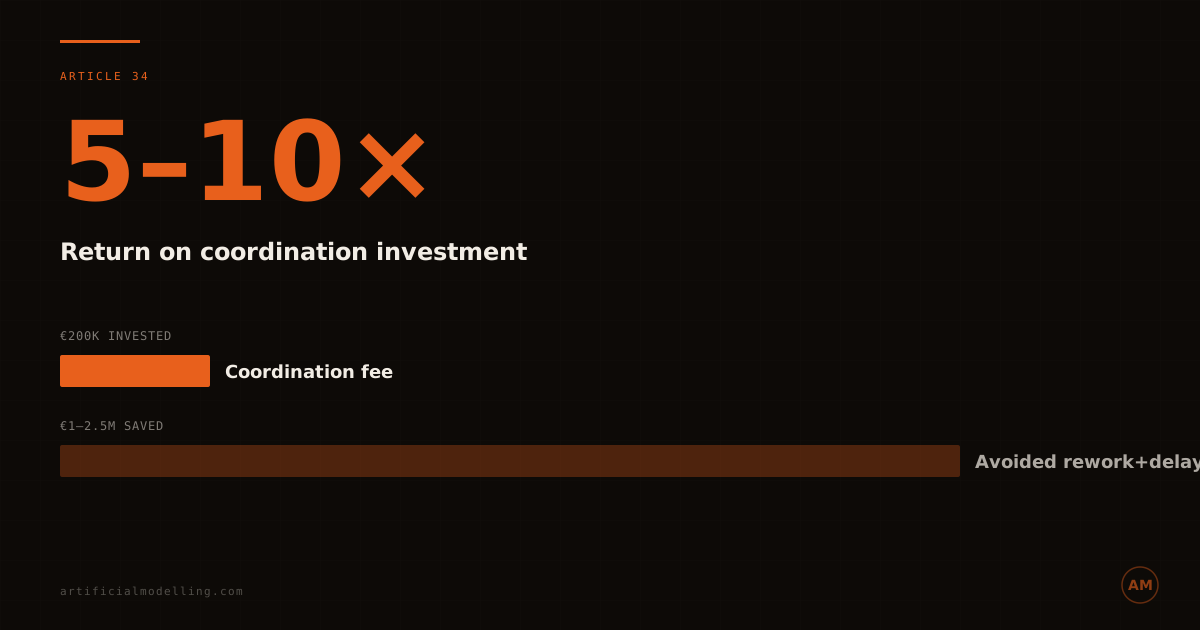
BIM Coordination ROI Calculator: Is Your Project Worth the Investment?
Every project manager and commercial director asks the same question before approving a BIM coordination fee: will this investment pay for itself? The answer is yes — on virtually every project above €5 million with meaningful MEP complexity. This article provides the framework to calculate the return for any specific project.
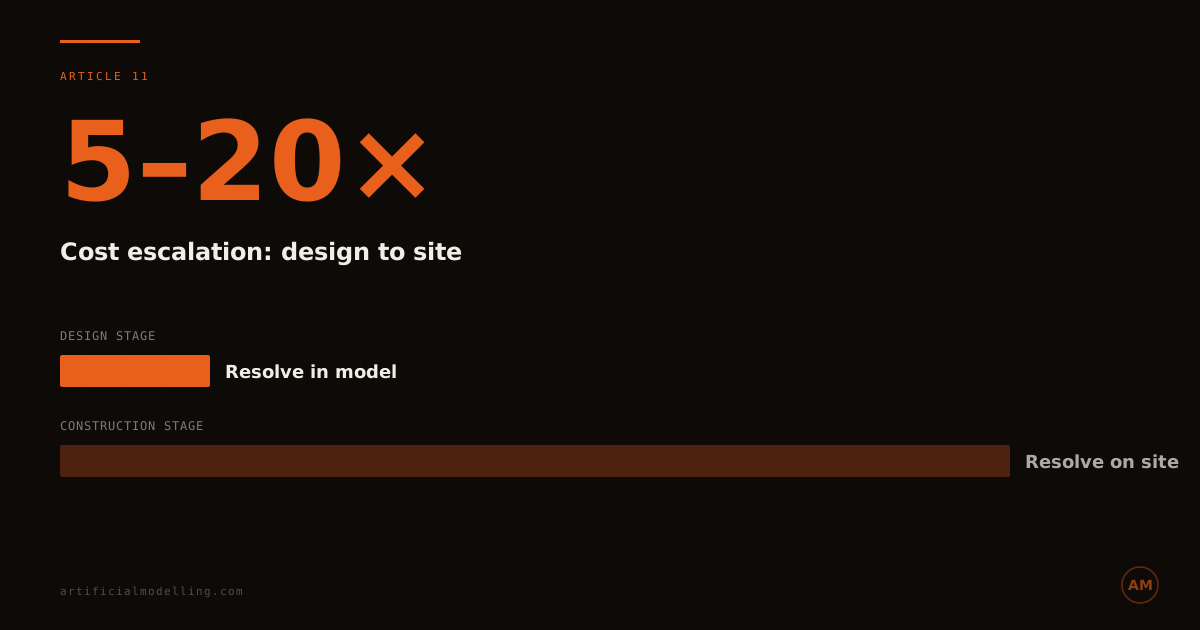
Managing Change Orders in BIM Coordination: The Cost of Getting It Wrong
A change order is a formal modification to a construction contract — a written acknowledgement that something needs to change after the design was supposed to be finalised. In MEP-intensive projects, change orders are among the most expensive disruptions a contractor faces, and the majority of them are preventable through early-stage BIM coordination.
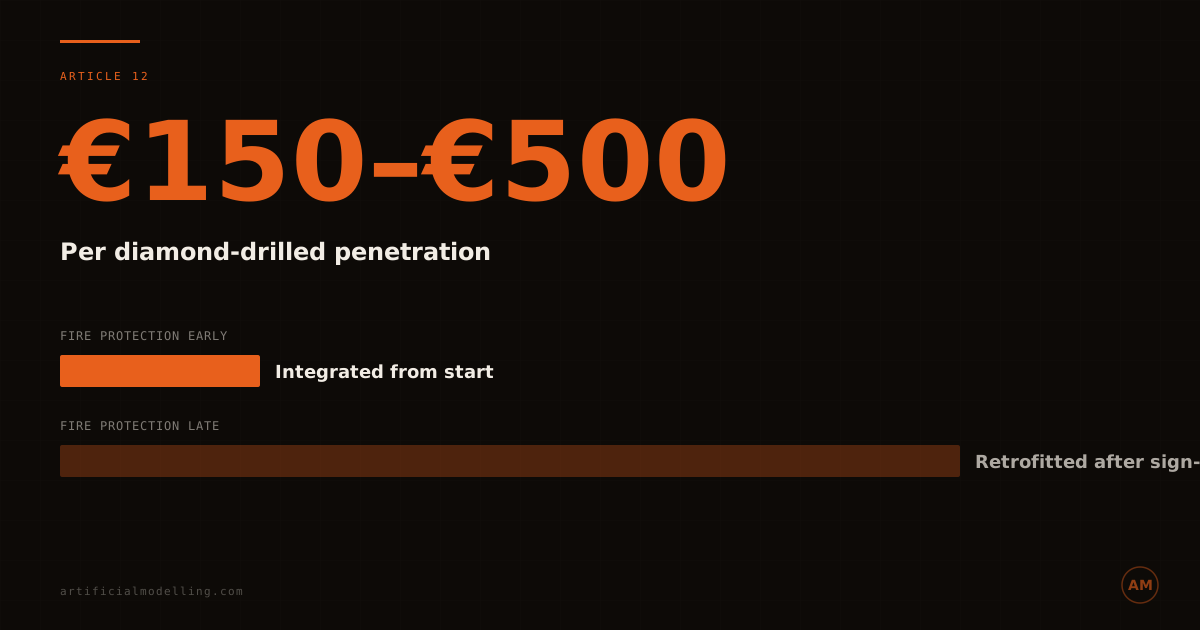
Integrating Fire Protection with MEP BIM Coordination: The Cost of Retrofitting
Fire protection is the discipline most frequently excluded from early-stage MEP BIM coordination — and the most expensive to retrofit when it is. Sprinkler systems, fire suppression pipework, smoke extract ductwork, and fire dampers all compete for the same ceiling void space as mechanical ventilation, electrical containment, and plumbing services.
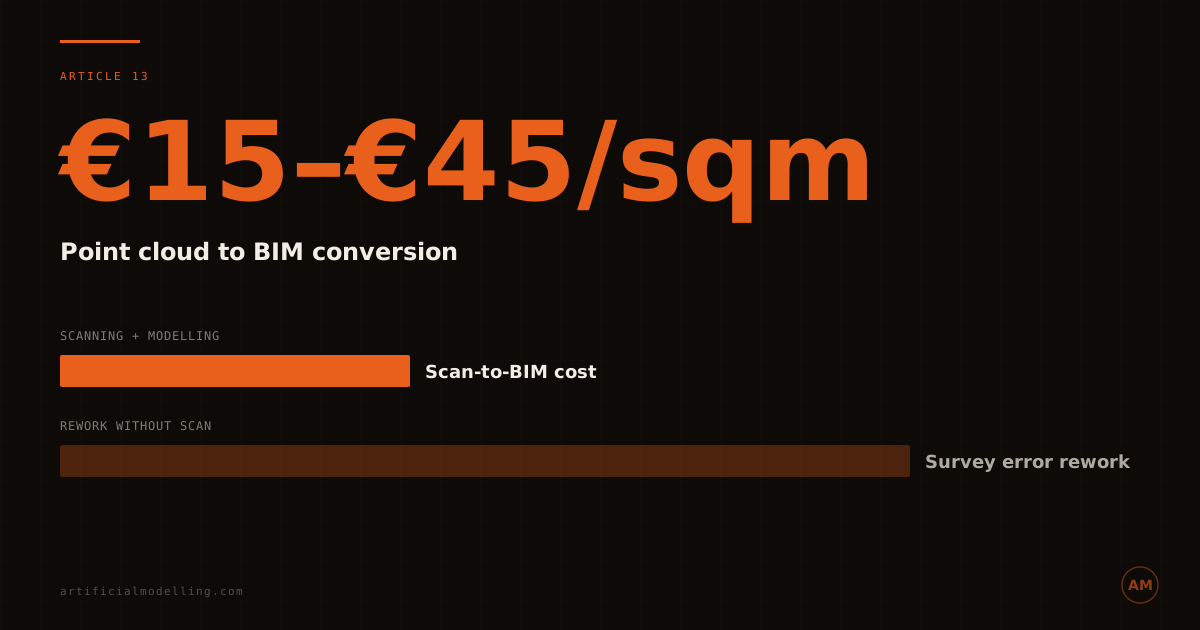
Point Cloud to BIM: Cost per Square Metre and When It Pays for Itself
Point cloud to BIM — also called scan-to-BIM — is the process of converting 3D laser scan data of an existing building into a Building Information Model. It provides a geometrically accurate digital representation of as-built conditions, enabling design teams to coordinate new MEP systems against the actual structure rather than relying on original drawings that may be decades old and no longer accurate.
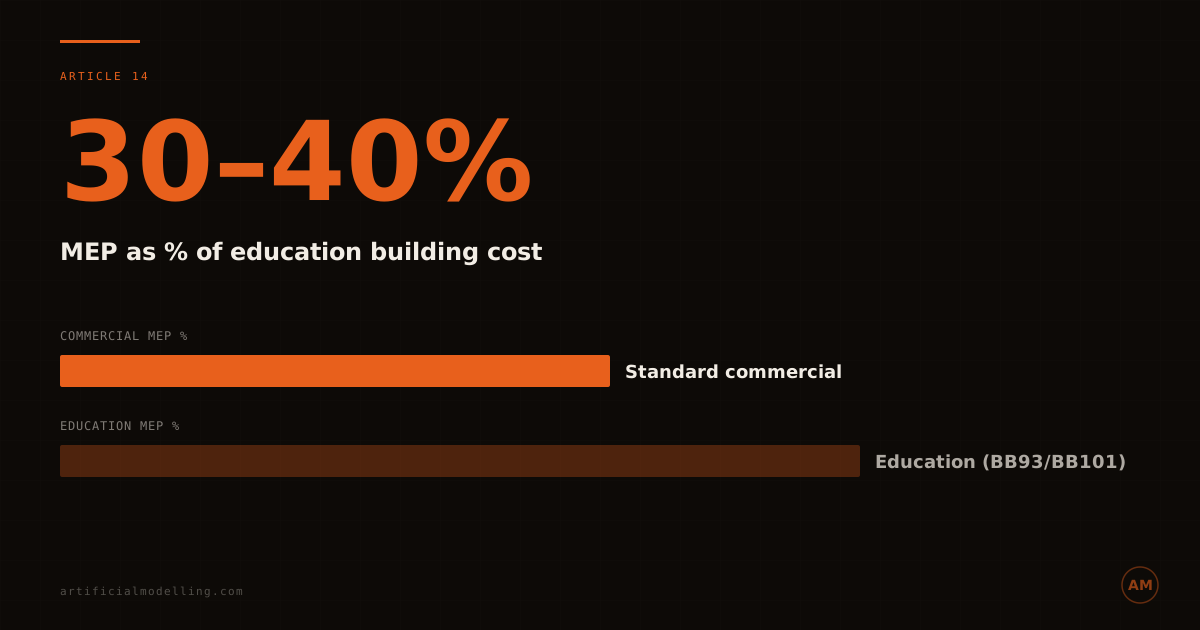
BIM Coordination for Education Buildings: MEP Costs and Compliance Requirements
Education buildings — schools, universities, and research facilities — present a distinct coordination challenge that many BIM teams underestimate. MEP systems in education buildings typically account for 30–40% of total construction cost, which is higher than the 25–30% seen in standard commercial office buildings (Acuity International, S3DA Design).
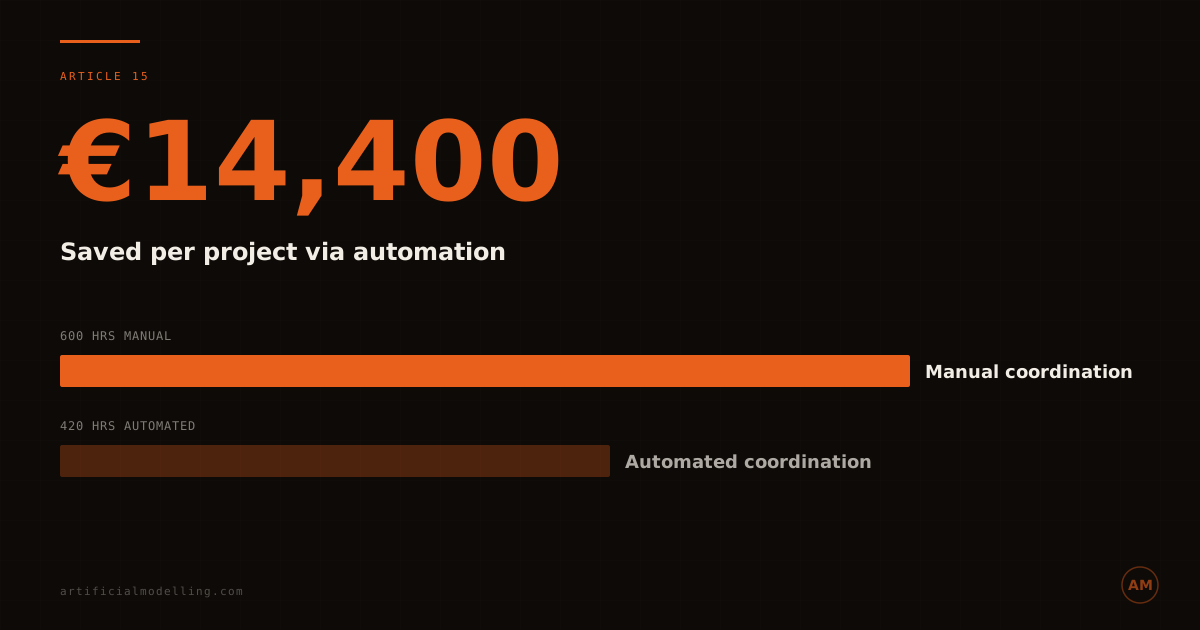
Automating Repetitive BIM Tasks: How Much Time and Money It Saves
MEPF automation in BIM coordination refers to the use of scripts, macros, and programmatic tools to perform repetitive modelling and coordination tasks that would otherwise require manual input from a BIM coordinator. The most common automation platform in the Revit ecosystem is Dynamo — a visual programming environment that executes sequences of operations within Revit models without manual intervention.
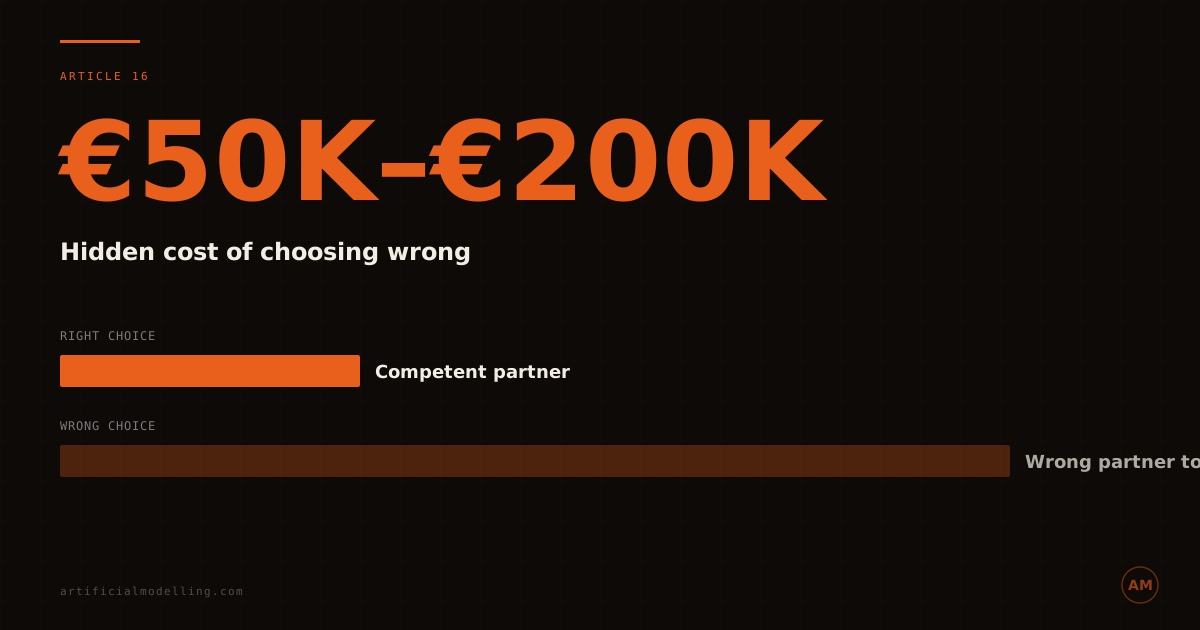
How to Evaluate a BIM Coordination Partner: Hidden Costs of Choosing Wrong
Selecting a BIM coordination partner is a procurement decision with disproportionate financial consequences. The coordination fee itself is typically 1–8% of MEP construction value (PowerKH, 2025 — US market data) — a modest line item on any project budget. But the cost of choosing the wrong partner manifests in rework, programme delays, management overhead, and subcontractor claims that can exceed the coordination fee by a factor of 10–20.
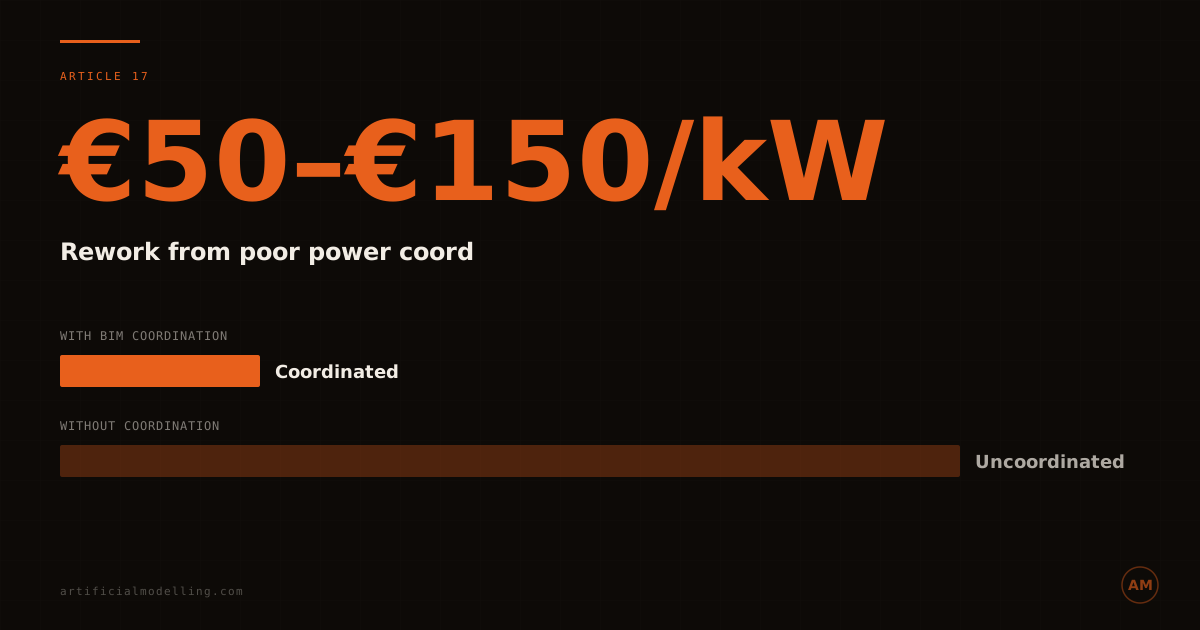
Data Centre MEP: The Cost of Poorly Coordinated High-Density Power Distribution
High-density power distribution is the defining MEP challenge in data centre construction.
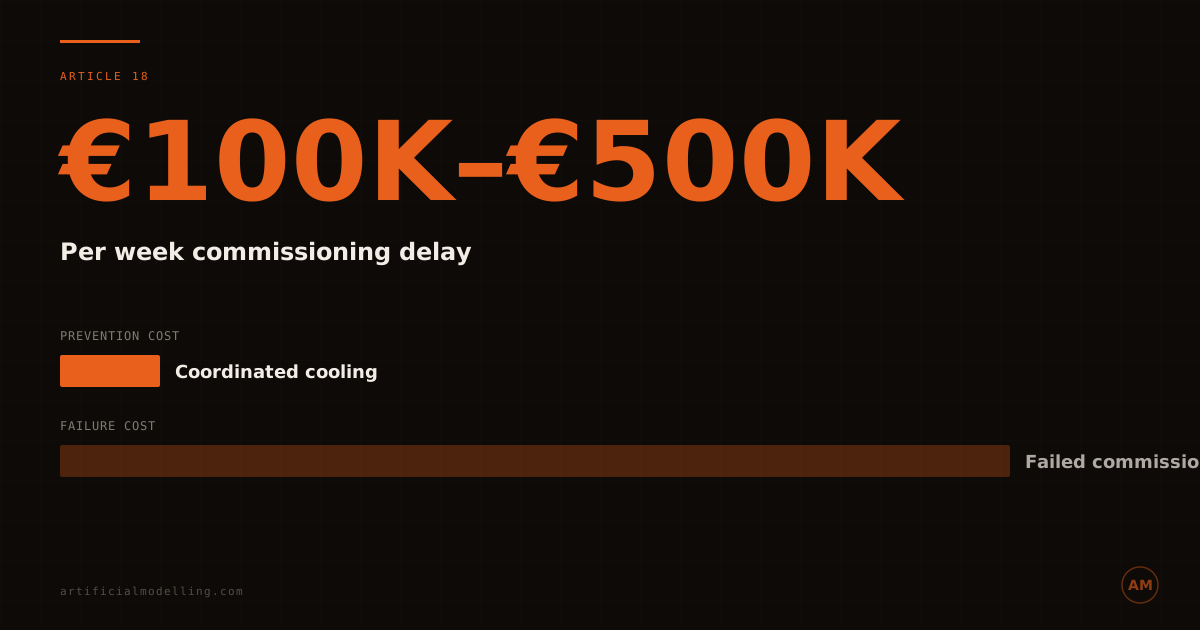
Data Centre Cooling System Coordination: The Cost of Failure During Commissioning
Cooling system coordination in data centres is the highest-stakes MEP coordination activity in construction. A cooling failure during commissioning — where the installed system cannot achieve the design cooling capacity because of coordination-related installation defects — delays the entire facility go-live.
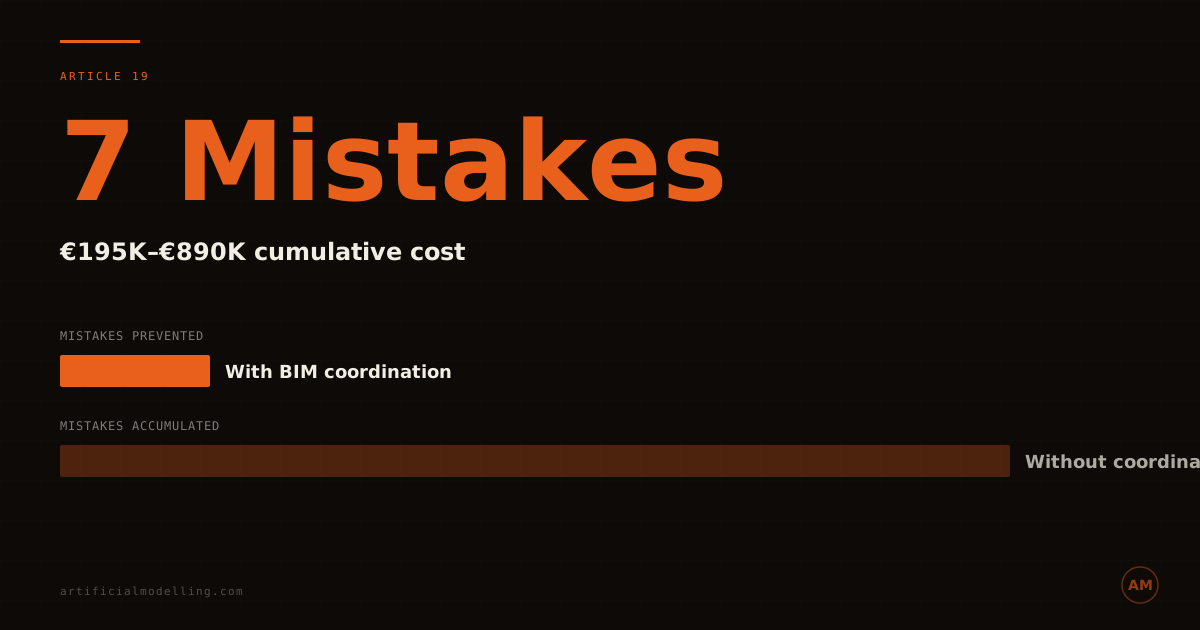
7 Common BIM Coordination Mistakes — And What Each One Costs
BIM coordination mistakes are not theoretical. They are measurable, recurring, and expensive. Each mistake in this list appears on multiple projects every year, and each has a quantifiable cost impact that extends far beyond the coordination fee.